
We may receive a commission on purchases made from links.
Not every countertop is created equal, and depending on how you cook, how much you value kitchen aesthetics, and how much you’re willing to splurge, there will be a kitchen countertop material that fits your needs, whether that’s chic, glossy marble or a sturdy classic like oak. However, laminate is one material whose drawbacks are often overlooked because of its lower price point.
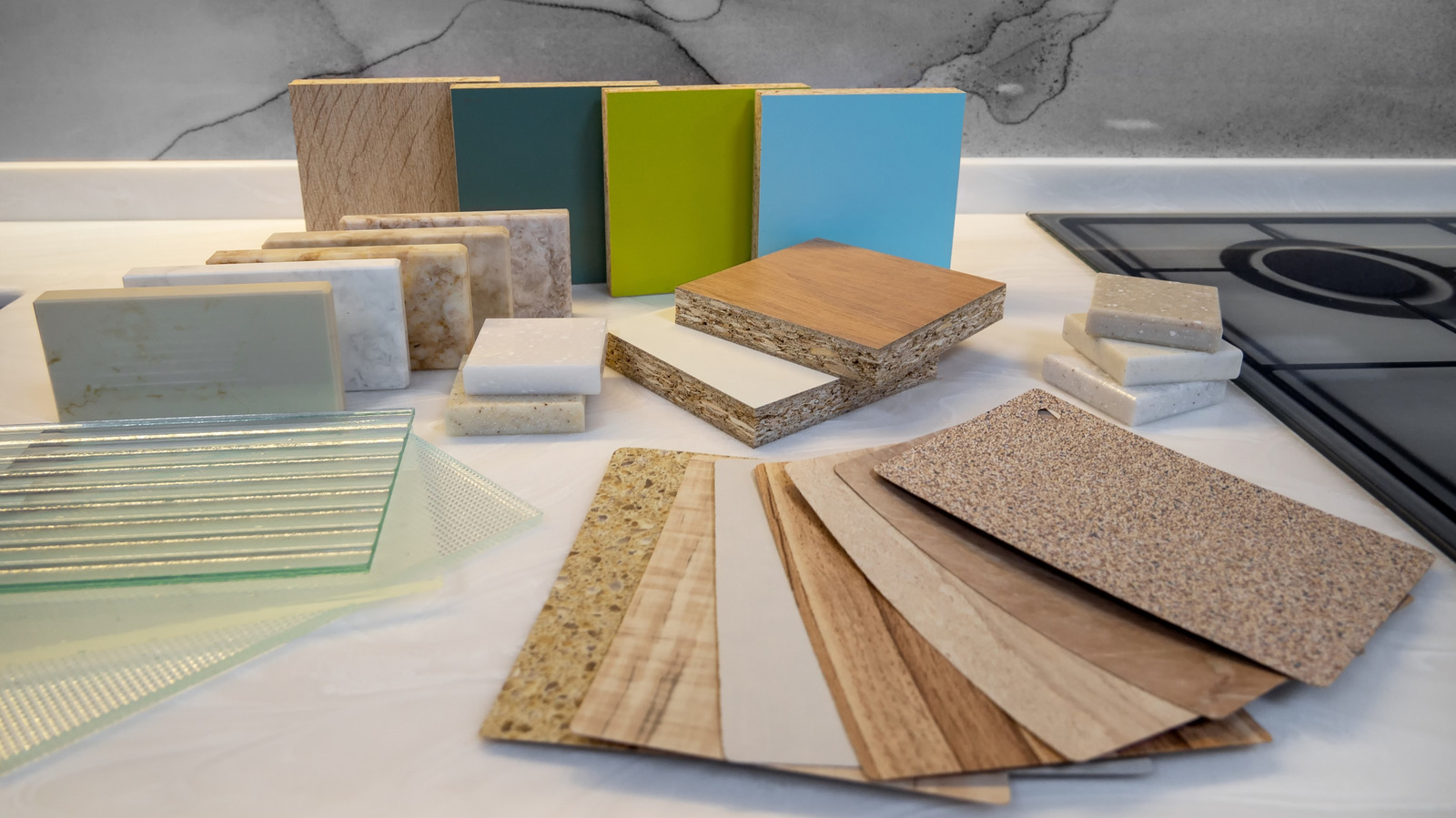
The Formica brand was founded in 1913 to produce its eponymous laminate product for use as electrical insulation, but by 1930 it had adapted it for decorative uses, with laminate becoming a staple in American homes during the 1950s. The countertops are made from layers of wood-based substrate, fibers, and resin topped with a bonded plastic surface that can be printed to mimic everything from marble to wood grain, which is one of the many reasons the material surged in popularity. However, there’s more to laminate than what meets the eye. Considering that even the Property Brothers have warned homeowners against choosing laminate, it’s worth taking a closer look at some of the disadvantages of this budget-friendly countertop material.
Laminate is cheap, and it shows
Sure, a low price may sound like an advantage when remodeling a kitchen, but it is also worth mentioning what that low price tag means in the long run: a potentially lower resale value. One of the biggest downsides of laminate is that buyers know it’s an inexpensive material. If you’re planning to sell your home eventually, it may turn off potential buyers looking for a kitchen with a more upscale feel. Because laminate is often viewed as a budget-friendly or temporary solution, it may not add the same perceived value as stone, quartz, or hardwood surfaces, which may lower your home’s appraisal.
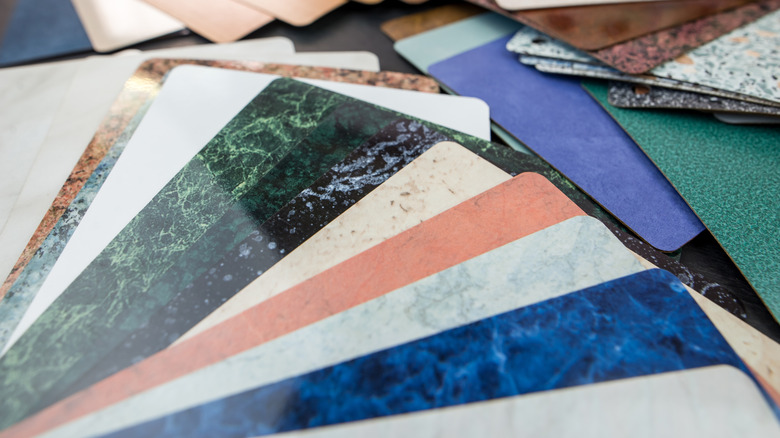
While laminate designs have become remarkably realistic, with patterns that mimic granite, marble, wood grain, and even glitzy quartz, the counter adds no value to the home, unlike more premium alternatives. Furthermore, because these patterns are printed rather than naturally occurring, a closer look may reveal repeating motifs across the surface. To the trained eye, this makes it immediately obvious that laminate has been used.
Laminate has a shorter lifespan
With good care and regular maintenance, most traditional countertop materials, including wood, marble, and granite, can last anywhere from 25 years to a lifetime. In fact, according to Consumer Reports, quartz countertops are the most durable option available. Other materials, such as stainless steel, which is used in many commercial-grade kitchens, can even last a lifetime and withstand years of heavy use. It can also be easily recycled, making it a more sustainable option.
Laminate, by comparison, typically lasts around 10 to 15 years, and even that estimate depends heavily on proper care because the material is more vulnerable to damage than many alternatives. Unfortunately, laminate doesn’t age particularly well, either. Unlike natural stone, which can develop a patina that many homeowners find appealing and kitschy, signs of wear on laminate seldom add character. Instead of acquiring a lived-in charm, laminate countertops often look increasingly tired, making even an otherwise well-maintained kitchen feel dated.
Laminate is more likely to get damaged
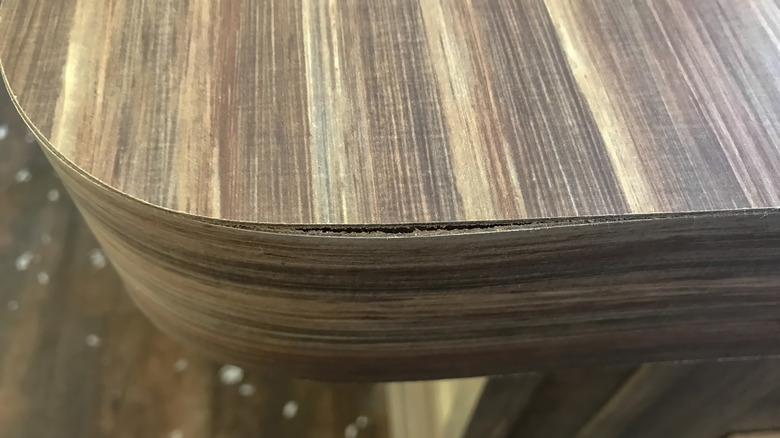
One of the biggest issues with laminate countertops is that they are prone to damage, although the lower cost means replacement is relatively affordable, and many homeowners can tackle the project themselves. But if you’re looking for a counter you don’t have to constantly babysit, laminate simply isn’t it. In a busy family kitchen, signs of wear and tear can appear quickly, and damage may be more noticeable on certain patterns and colors. Knife marks can easily accumulate over time, and dropping any cookware can leave behind unsightly and tattered chips along the edges.
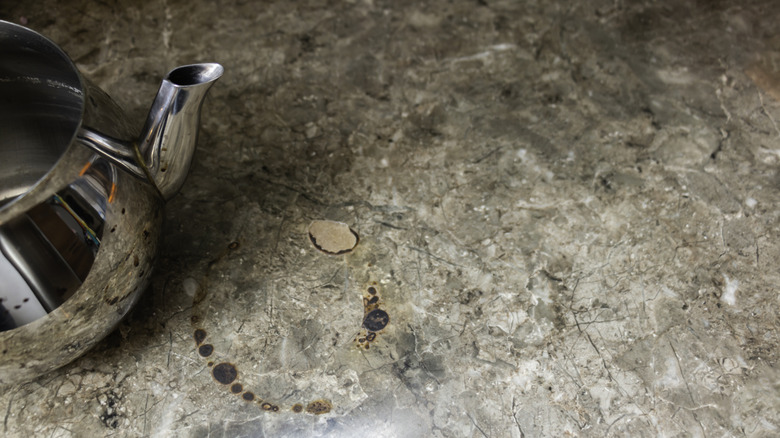
The relatively soft surface makes laminate easier to scratch than stone-based alternatives, but hot pots and pans are arguably the biggest threat. Laminate countertops are not particularly heat-resistant and can scorch, warp, or bubble when exposed to high temperatures. For that reason, keeping trivets and heat-resistant mats, like these HexClad nonslip silicone trivets, within easy reach is essential.
Laminate can be susceptible to water damage
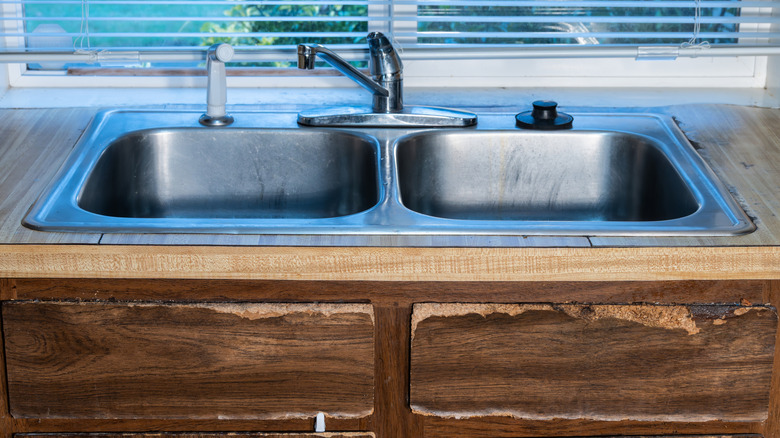
變色、起泡、剝落與翹曲都是層壓檯面受水損的常見跡象。雖然層壓表面本身設計為抗水,但刮痕、縫隙與裂紋可能讓水分滲透至表面以下,困住水分,最終導致上層脫離。
這種情況在水槽附近更容易發生,若密封劑開始磨損或你把濕盤子長時間放在檯面上。若你沒有及時清理任何濺出的液體也可能發生。例如,義大利麵水煮沸濺出時,最好趕快擦拭,避免水分在表面上逗留。水損可能一開始不顯眼,但若長時間不處理,情況可能惡化。困在其中的水分也會削弱黏著劑,讓原本看似輕微的問題演變成更大的維護難題。
Laminate can’t be easily repaired
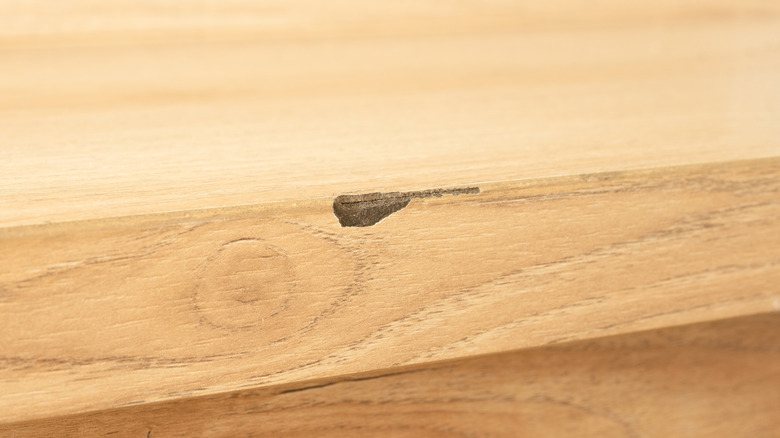
網路上充斥著各種層壓瑕疵的快速修補方法,但現實是大多數只是膚淺地划過表面,字面上也就是說。當談到修復時,用快速的 DIY 套件遮蓋損傷容易,但這些修補通常只是暫時性的,受影響的區域永遠不會看起來完全一樣。例如,一道刮痕若讓水分滲入,情況就可能變成更大的痛點。
與天然石材不同,天然石材往往可以打磨或專業修復;一旦出現嚴重損壞,層壓材料提供的修復選項相對有限。碎裂、燒傷、深刮痕以及因水分造成的膨脹,在不留下部分證據的情況下,修復往往相當困難。在很多情況下,如果層壓材的邊緣開始剝離,最好直接更換,而不是嘗試多次局部修補。雖然更換的成本通常低於安裝大理石或石英等高檔材料,但在投資新廚房檯面之前,這仍然是一筆值得考慮的額外開支。